

IRAK Antibody, Unconjugated, Rabbit, Polyclonal
Artikelnummer:
PRS-1007
- Bilder (8)
| Artikelname: | IRAK Antibody, Unconjugated, Rabbit, Polyclonal |
| Artikelnummer: | PRS-1007 |
| Hersteller Artikelnummer: | 1007 |
| Alternativnummer: | PRS-1007-0.02,PRS-1007-0.1 |
| Hersteller: | ProSci |
| Wirt: | Rabbit |
| Kategorie: | Antikörper |
| Applikation: | ELISA, ICC, IF, IP, WB |
| Spezies Reaktivität: | Human, Mouse, Rat |
| Immunogen: | Anti-IRAK antibody (1007) was raised against a peptide corresponding to 13 amino acids near the carboxy terminus of human IRAK. The immunogen is located within the last 50 amino acids of IRAK. |
| Konjugation: | Unconjugated |
| Alternative Synonym: | IRAK Antibody: IRAK, pelle, IRAK, Interleukin-1 receptor-associated kinase 1, IRAK-1 |
| Application Verdünnung: | Optimal dilutions for each application to be determined by the researcher. |
| Anwendungsbeschreibung: | WB: 1-4 µg/mL, IF: 20 µg/mL, ICC: 10 µg/mL.Antibody validated: Western Blot in human, mouse and rat samples, Immunofluorescence and Immunocytochemistry in human samples. All other applications and species not yet tested. |
|
|
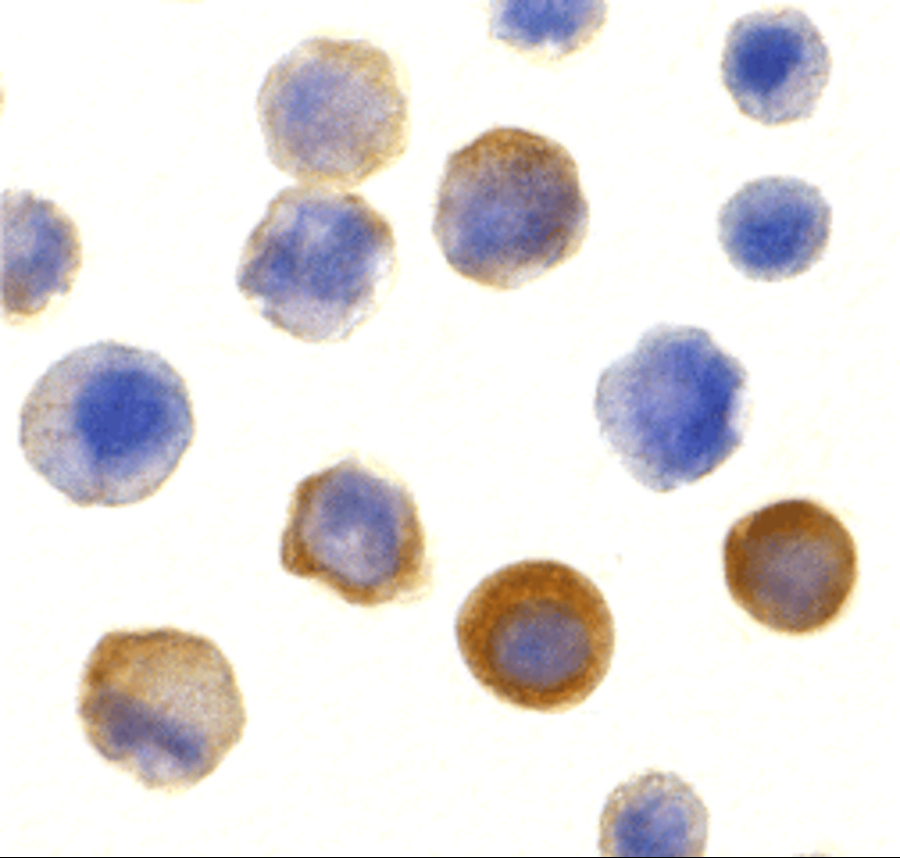
Figure 6 Immunocytochemistry Validation of IRAK in Human HeLa CellsImmunocytochemical analysis of HeLa cells using anti-IRAK antibody (1007) at 10 &956,g/ml. Cells was fixed with formaldehyde and blocked with 10% serum for 1 h at RT, antigen retrieval was by heat mediation with a citrate buffer (pH6). Samples were incubated with primary antibody overnight at 4&730, C. A goat anti-rabbit IgG H&L (HRP) at 1/250 was used as secondary. Counter stained with Hematoxylin. |
|
|
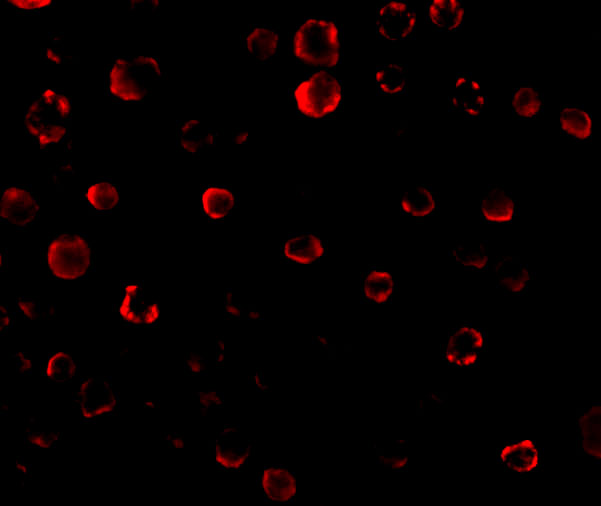
Figure 5 Immunofluorescence Validation of IRAK in Human HeLa CellsImmunofluorescent analysis of 4% paraformaldehyde-fixed HeLa Cells labeling IRAK with 1007 at 20 &956,g/mL, followed by goat anti-rabbit IgG secondary antibody at 1/500 dilution (red). |
|
|
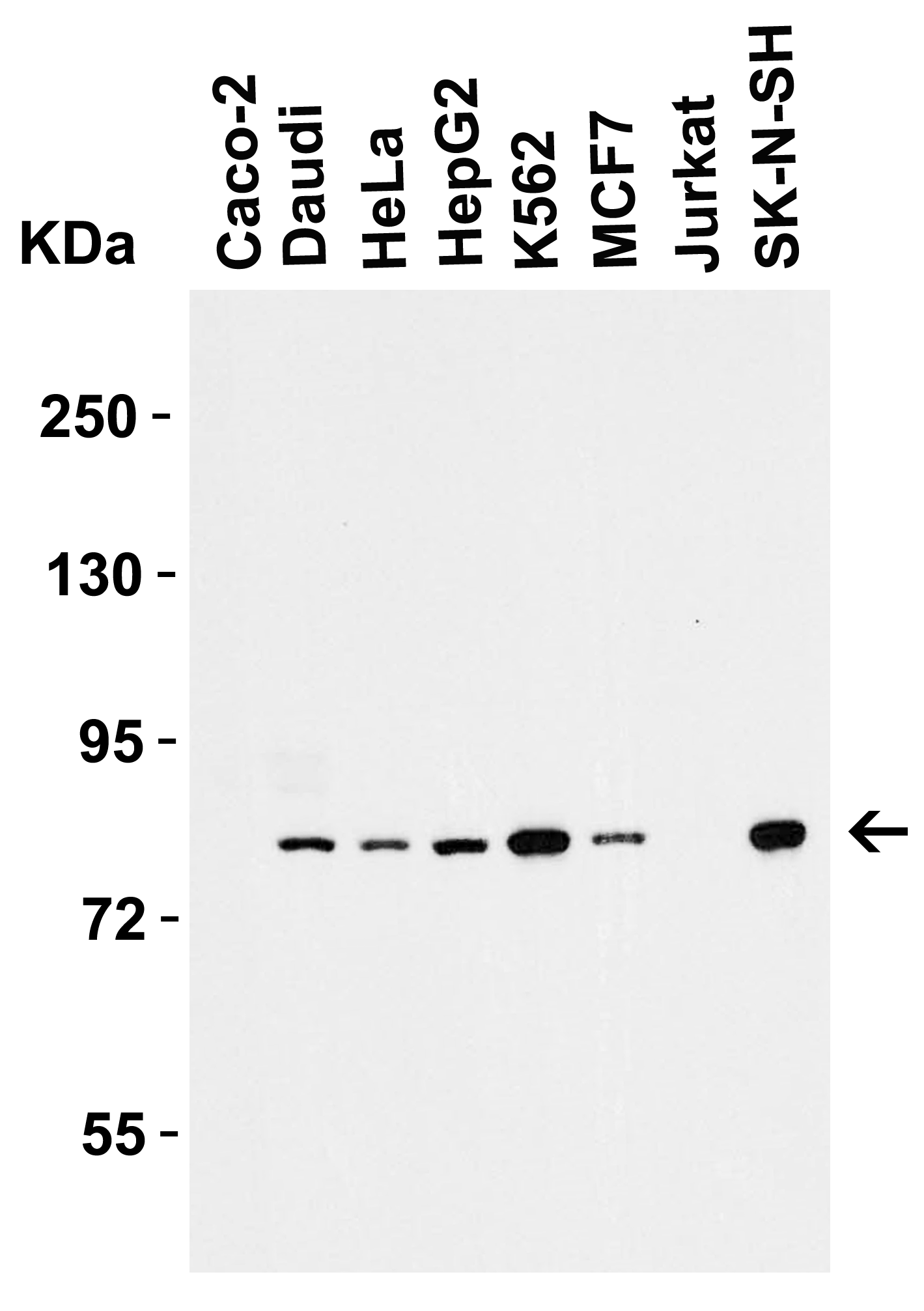
Figure 1 Western Blot Validation in Human Cell LinesLoading: 15 &956,g of lysates per lane.Antibodies: IRAK 1007 (1 &956,g/mL), 1h incubation at RT in 5% NFDM/TBST.Secondary: Goat anti-rabbit IgG HRP conjugate at 1:10000 dilution. |
|
|
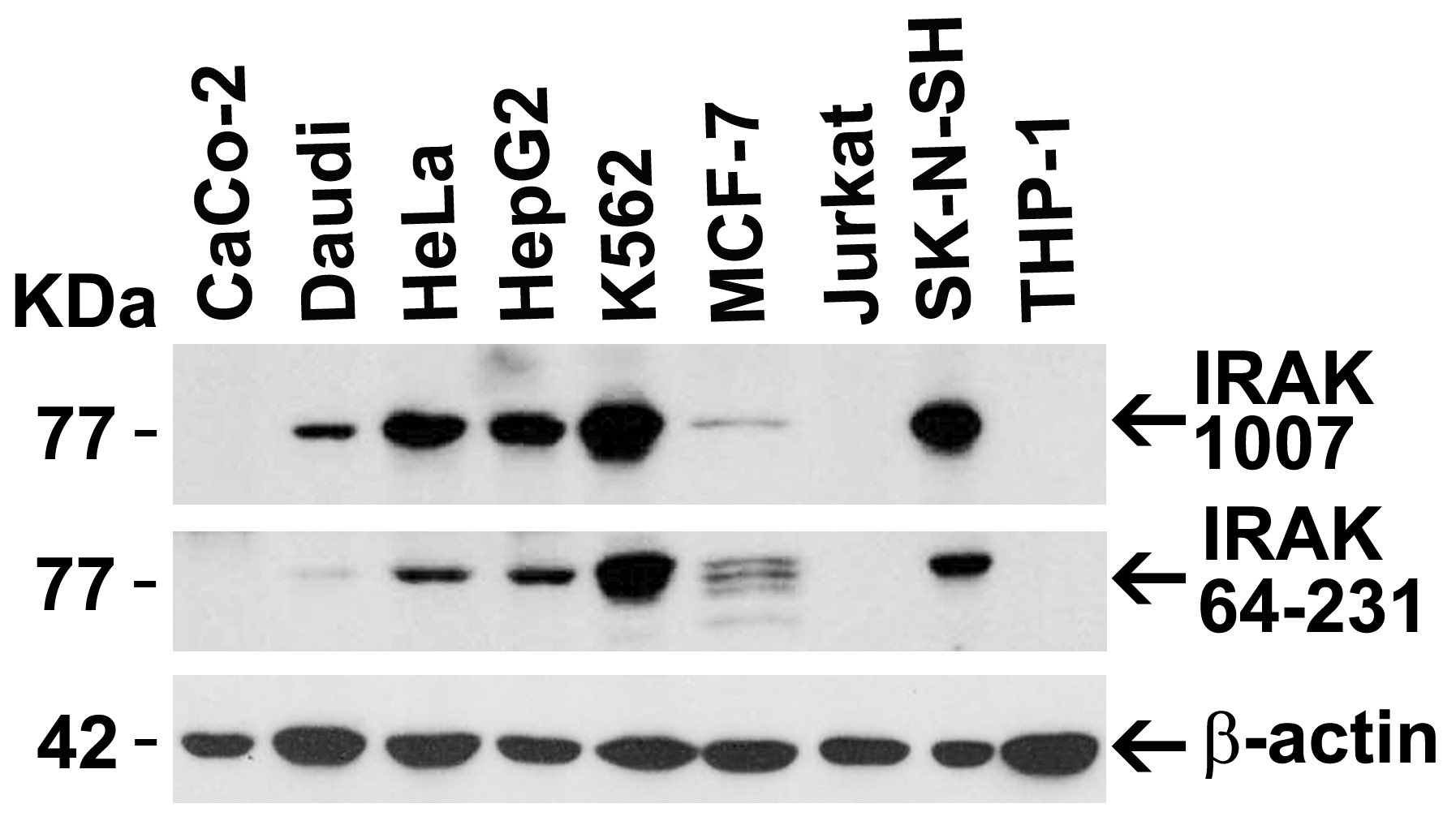
Figure 2 Independent Antibody Validation (IAV) via Protein Expression Profile in Cell LinesLoading: 15 &956,g of lysates per lane.Antibodies: IRAK 1007 (1 &956,g/mL), IRAK 64-231 (2 &956,g/mL), beta-actin (1 &956,g/mL), 1h incubation at RT in 5% NFDM/TBST.Secondary: Goat anti-rabbit IgG HRP conjugate at 1:10000 dilution. |
|
|
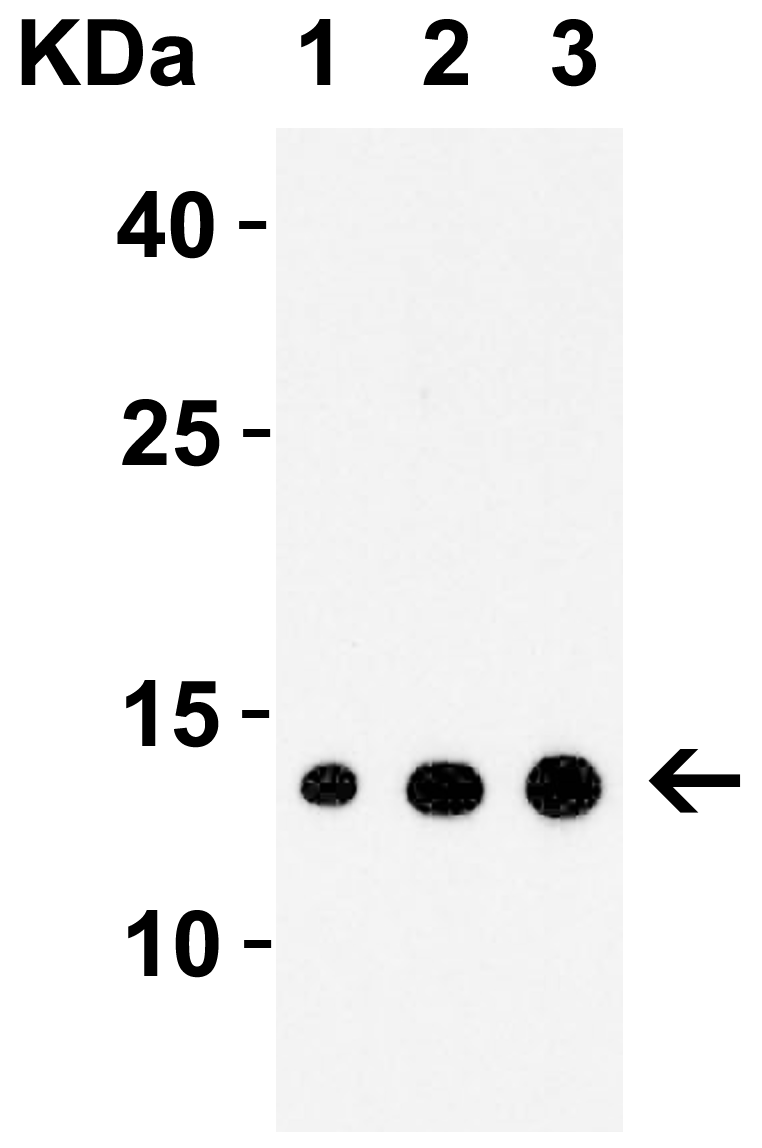
Figure 3 Western Blot Validation with Recombinant ProteinLoading: 30 ng of human IRAK recombinant protein per lane.Antibodies: IRAK 1007 (1: 1 &956,g/mL, 2: 2 &956,g/mL and 3: 4 &956,g/mL), 1h incubation at RT in 5% NFDM/TBST.Secondary: Goat anti-rabbit IgG HRP conjugate at 1:10000 dilution. |
|
|
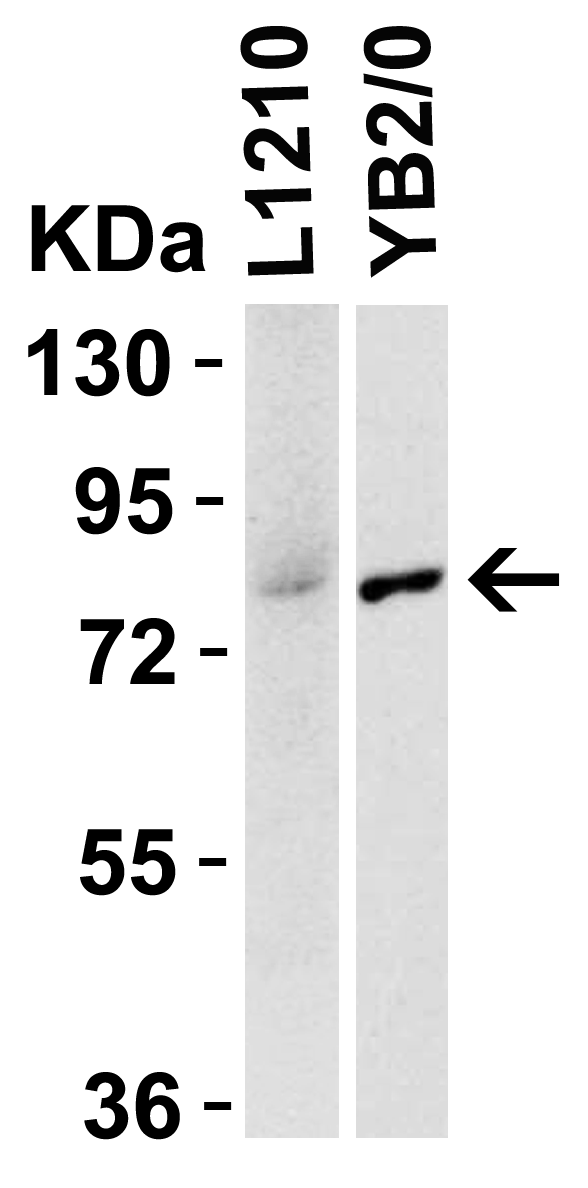
Figure 4 Species Activity in Mouse and Rat Cell LinesLoading: 15 &956,g of lysates per lane.Antibodies: IRAK 1007 (1 µg/mL,), 1h incubation at RT in 5% NFDM/TBST.Secondary: Goat anti-rabbit IgG HRP conjugate at 1:10000 dilution. |
|
|
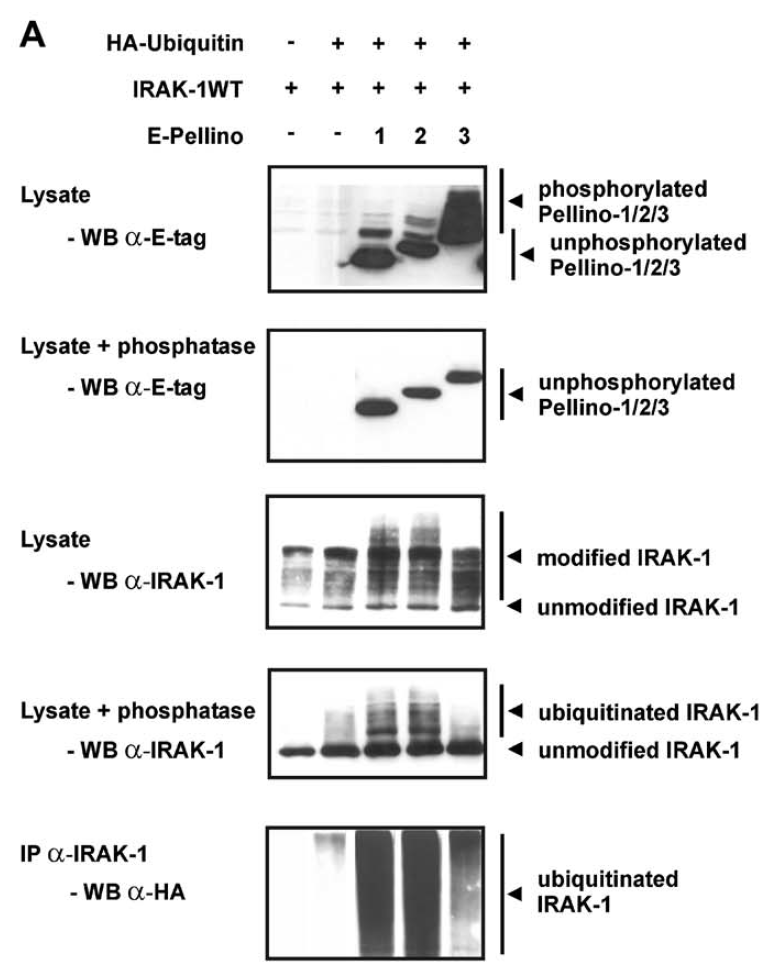
Figure 7 Immunoprecipitation and Overexpression Validation in HEK293T Cells(Schauvliege et al., 2006)Co-expression of Pellino proteins and IRAK-1 leads to Pellino phosphorylation and IRAK-1 polyubiquitination. (A) E-tagged Pellino proteins were co-expressed with IRAK-1WT and HA-ubiquitin in HEK293T cells. For assessment of IRAK-1 polyubiquitination, the same cellextracts, untreated or treated with phosphatase as described above, were analysed for slower migrating forms of IRAK-1 by Western blotting withanti-IRAK-1 (1007). Ubiquitination was specifically detected by IRAK-1 immunoprecipitation followed by Western blotting with anti-HA antibodies. |
|
|
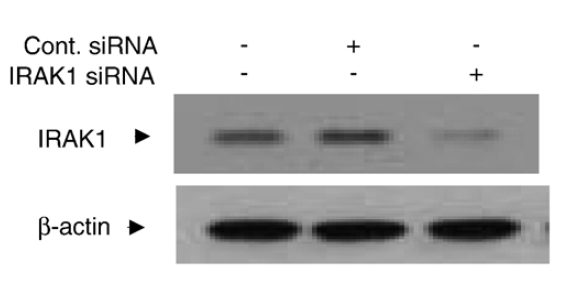
Figure 8 KD Validation in Human Chondrocytes (Ahmad et al., 2007)Chondrocytes were transfected with 250 nM of IRAK1 or control siRNA for 48 h and lysates were analyzed for IRAK1 or beta-actin expression levels by immunoblotting. IRAK1 signal was disrupted in IRAK1 KD lysate. |
Produktgarantie und fachkundiger Support
