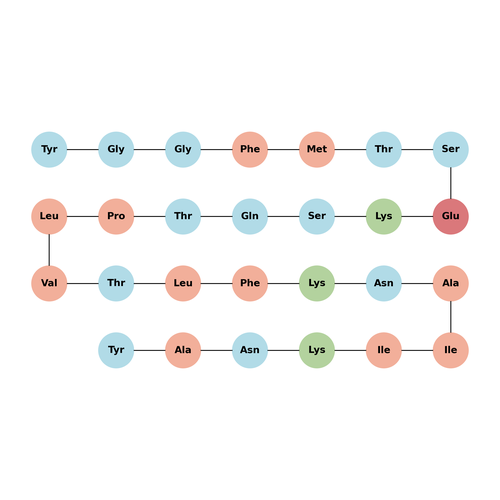
beta-Endorphin (1-27) is an endogenous peptide that binds to µ-, delta-, and kappa-opioid receptors (Kis = 5.31, 6.17, and 39.82 nM, respectively, in COS-1 cells expressing rat receptors). It binds to rat and mouse brain membrane preparations (IC50s = 1.1 and 5.7 nM, respectively) and induces chemotaxis of human monocytes in vitro when used at a concentration of 1 nM. Intracerebroventricular administration of beta-endorphin (1-27) increases the latency to tail withdrawal in response to thermal stimulation in mice with a median antinociceptive dose (AD50) of 1,500 pmol per animal. It inhibits antinociception induced by beta-endorphin in mice in response to thermal stimuli when administered at a dose of 65 pmol per animal. In rats, beta-endorphin (1-27) does not affect drug-associated place preference when administered at doses up to 20 µg, i.c.v., but inhibits beta-endorphin-induced place preference when administered at a dose of 10 µg per animal.
T38193
* Mehrwertsteuer und Versandkosten nicht enthalten. Irrtümer und Preisänderungen vorbehalten