

Scientific News

On this page you will find helpful scientific news from BIOZOL and our partner companies, as product highlights, special offers, and upcoming events.
Use our Scientific Content Search if you are interested in specific topics, methods or research areas.

Anatrace Lipids Fos-Choline® detergents
Lipids are commonly used by researchers to stabilize membrane proteins. However, the common challenge with working with lipids is their high cost and lack of solubility in water. Anatrace® scientists answered the challenge and developed innovative Anatrace Fos-Choline® detergents, with the stabilizing properties of lipids, combined with the characteristics of a water-soluble molecule. Fos-Cholines employ charged amine and phosphate groups in combination with an alkyl chain to produce a zwitterionic surfactant. This unique architecture is water-soluble...

CRISPR-based diagnostics SignalChem Webinar and Product Launch
CRISPR/Cas9 is a popular genome editing tool, due to its simplicity and versatility, which allows for highly specific genomic modification and targeted gene silencing. CRISPR-based diagnostics has become a relevant technology for fast, affordable and ultra-sensitive testing at home, point of care or in the field. We want to invite you to our partner SignalChem's webinar on the topic of CRISPR-based diagnostics. Webinar: CRISPR-based diagnostics Presented by: SignalChem Lifesciences Date & time: Tuesday, 23rd November 2021, 05:00 PM (CET)...

miRNA Quantification Learn about BioVendors miRNA Quantification
The incredible regulatory power of microRNAs (miRNAs) and other short non-coding RNA sequences (sncRNA) was discovered very recently. Research into these highly abundant RNAs revealed their crucial involvement in orchestration of all molecular signalling pathways (p53, Wnt, FAS and others) and their potential as a biomarker. The ability of miRNAs to immediately respond to pathological processes, like tumorigenesis or inflammation, together with their stability in biofluids predetermine them to be specific and sensitive biomarkers for a wide range of...

GeneTex Webinar The Epigenetic Basis of Inflammatory Training
Join our partner GeneTex' upcoming webinar on inflammatory training and tissue repair. Inflammatory training is the generation of an epigenetic memory that leads to an augmented state of responsiveness to a broad range of secondary stimuli. Though previously thought to be exclusive to the innate immune system, Dr. Samantha Larsen discovered that epithelial stem cells can undergo inflammatory training that accelerates tissue repair. She revealed this phenomenon hinges on the coordinated efforts of stimulus-specific, stress-responsive, and homeostatic t...
RNA Viruses Viral protein antibodies
Viral epidemics are one of the greatest challenges of our time. The causative agents of most viral infectious diseases that have occurred in recent decades are RNA viruses. In addition to SARS-CoV-2, these include influenza viruses, Ebola virus, poliovirus, Zika and dengue virus, among others. RNA viruses hijack the host cell's translational machinery to both optimize viral protein production and subvert RNA surveillance by the host. A thorough understanding of the mechanisms of polysome reconfiguration is the basis for developing vaccines and the...
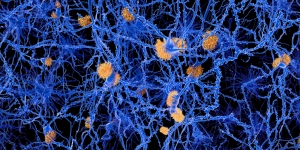
Amytracker Amyloid visualization
One of the main features of Alzheimer's disease is the formation of senile plaques by extracellular deposits of beta-amyloid and intracellular fibrillar deposits in the gray matter of the brain. These are usually detected by light microscopy after silver staining or by immunofluorescence. Amytracker from our partner Ebba Biotech are fluorescent tracer molecules for high-quality visualization of protein aggregates. The molecules become vividly colorful – highly fluorescent - when bound to a target in a sample. Targets are amyloids or protein aggrega...
Autophagy Research Gold standard Anti-LC3 from MBL
Autophagy refers to the process of degradation and utilization of own cellular components such as misfolded proteins or organelles by eukaryotic cells. Autophagy in mammals is involved not only in the starvation response, but also in antigen presentation, cell death, development, aging, tumorigenesis, and defense against bacterial infections. Autophagy research is therefore important for understanding all these processes. LC3 has been studied extensively and is used as an autophagy marker in mammals. Soluble LC3 is distributed ubiquitously in mammali...
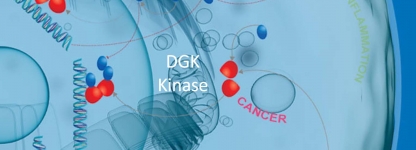
DGK Kinases Active DAGK Enzymes
Diacylglycerol kinase (DGK or DAGK) is a family of enzymes that catalyze the conversion of diacylglycerol (DAG) to phosphatidic acid (PA) using ATP as the phosphate source. They serve as switches by terminating signal transduction of one lipid while activating signal transduction by another. SignalChem offers the complete set of DGKs expressed in SF9 cells either as GST- or His-tagged variants. Diacylglycerol kinase (DGK / DAGK) Features Highly Active Expressed in Insect SF9 cells Available as HIS- and GST-Tag Fusion Protein...
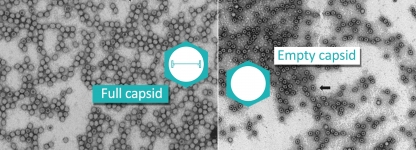
AAV Reference Materials: Capsids (Vigene Bioscience) Vigene Bioscience - Quality Control for your AAV based Gene Delivery
Full and empty capsids of different Adeno-associated Virus serotypes commonly used for gene transfer Recombinant Adeno-associated virus (rAAV) is a widely used gene delivery tool for research and clinical applications. To be able to compare the pharmacokinetics and efficacy of rAAV, well characterized reference materials are needed for assays and calibration of internal reference materials. Reference materials (full capsids) with accurate vector genome concentration can be used in qPCR-based vector genome titrations. AAV is also known...
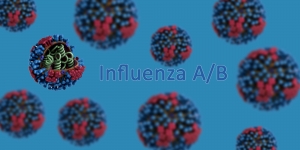
New Anti-Influenza A/B Antibodies Rabbit monoclonal anti-Influenza antibodies from GeneTex
New recombinant Anti-Influenza A/B Antbodies from GeneTex Influenza A and B viruses are two viruses that have caused seasonal influenza, epidemics, and even pandemic for Influenza A. GeneTex has released three clones each for Influenza A and B Nucleoproteins, the nucleoprotein is conserved in different variants therefore a suitable target for detecting the virus antigen. The antibodies can work as ELISA pairs and showed a low picomolar range sensitivity At least sixteen FLUAV strains and nine FLUBV strains can be detected by ELISA...