

Cell Adhesion Molecules (CAMs)
Key Targets Covered by Biorbyt
Biorbyt has a simple yet challenging mission: to provide the best service to the global scientific community. In cooperation with researchers and academics worldwide, Biorbyt develops biochemicals, antibodies and immunoassays of the highest quality.
Cell Adhesion Molecules (CAMs)
Cell adhesion is the essential biological process by which cells attach to one another and to the surrounding extracellular matrix (ECM), a complex network of proteins providing structural and biochemical support. This interplay underpins tissue development, maintenance, immune surveillance, and wound healing through a tightly regulated cascade of molecular interactions. Specialized transmembrane proteins collectively known as Cell Adhesion Molecules (CAMs) mediate these contacts, coupling mechanical linkage with intracellular signaling. CAMs are therefore pivotal targets in biomedical research and therapeutic development.
Biorbyt covers the most important targets with recombinant proteins, antibodies, and cell lysates.
Key Targets in Cell Adhesion
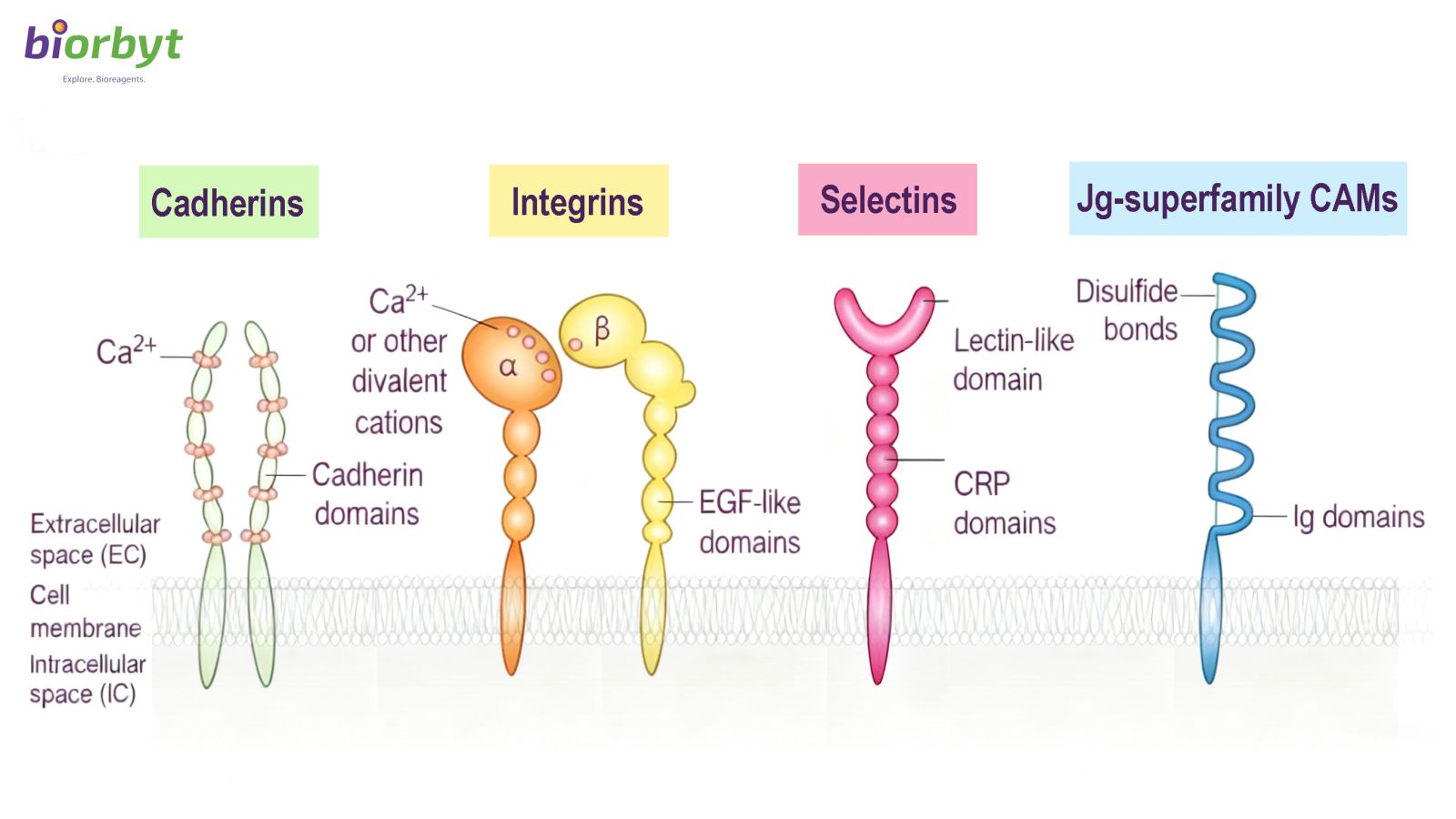
Schematic representation of the structure of four major classes of cell adhesion molecules. ("Cell adhesion in cancer: Beyond the migration of single cells - Scientific Figure on ResearchGate, licensed under CC BY 4.0. The original figure can be found here)
Cadherins
Cadherins are calcium-dependent transmembrane glycoproteins that primarily mediate homophilic cell-cell adhesion, promoting the cohesion of similar cell types essential for tissue architecture and morphogenesis. Their extracellular domains contain multiple cadherin repeats that coordinate Ca²⁺ binding, which rigidifies the structure and enables adhesive dimerization. Beyond adhesion, cadherins engage intracellular catenins that link to the actin cytoskeleton and participate in signaling pathways regulating gene expression and cellular differentiation.
|
Key Research Target: E-cadherin (CDH1) The loss or dysfunction of E-cadherin is a hallmark of epithelial-to-mesenchymal transition (EMT), a process critical for cancer metastasis by facilitating tumor cell detachment and invasion. Investigating E-cadherin status using antibodies in immunohistochemistry (IHC) or ELISA quantification remains fundamental in cancer diagnostics and research.
Emerging Target: N-cadherin (CDH2) During "cadherin switching" cancer cells downregulate E-cadherin and upregulate N-cadherin, promoting motility and invasiveness. Small molecule inhibitors targeting N-cadherin are being explored to block metastatic progression, highlighting its therapeutic potential. |
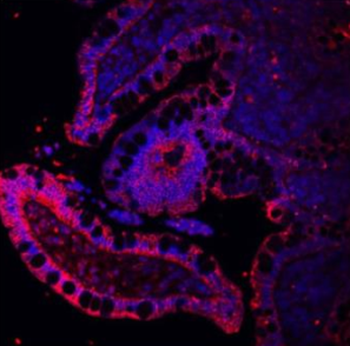 E Cadherin 1/CDH1 Antibody E Cadherin 1/CDH1 Antibody |
Immunoglobulin Superfamily (IgSF)
IgSF CAMs are a large, diverse group of calcium-independent proteins mediating both homophilic and heterophilic cell-cell adhesion and intracellular signaling. Their Ig-like domains confer structural versatility, supporting roles beyond adhesion to include immune modulation and neural development.
|
Key Research Targets: ICAM-1 (CD54) and VCAM-1 (CD106) These molecules are critical in inflammation, mediating firm adhesion of leukocytes to endothelium, a prerequisite for immune cell transmigration. Tools such as soluble VCAM-1 ELISA kits and monoclonal antibodies against ICAM-1 enable the study of endothelial activation and leukocyte-endothelial interactions.
Emerging Target: L1CAM (CD171) Overexpression of L1CAM is linked to poor prognosis in various cancers by enhancing migration and invasion. Antibody-drug conjugates targeting L1CAM exemplify promising cancer therapeutic strategies. |
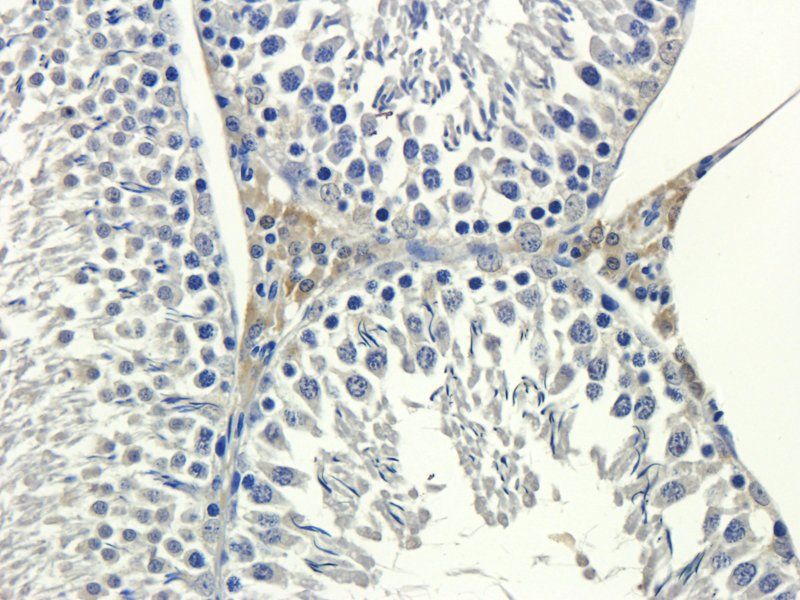 VCAM1 antibody VCAM1 antibody |
Integrins
Integrins are heterodimeric receptors composed of α and β subunits that physically connect the intracellular actin cytoskeleton to the ECM. This linkage facilitates bidirectional signaling—outside-in signals regulate cell survival, proliferation, and motility, while inside-out signals modulate integrin affinity and avidity for ligands.
|
Key Research Target: Integrin αvβ3 Highly expressed on activated endothelial and tumor cells, αvβ3 integrin orchestrates angiogenesis, sustaining tumor growth. Antibodies and RGD peptides that mimic natural ligand motifs are key tools to probe and inhibit this process.
Emerging Target: Integrin α4β7 Crucial for lymphocyte homing to the gut, α4β7 integrin is a validated therapeutic target for inflammatory bowel diseases. Small molecule inhibitors and antibodies blocking α4β7 have shown efficacy in controlling these conditions. |
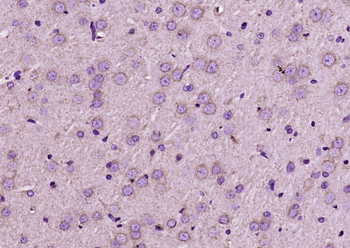 Integrin αvβ3 antibody Integrin αvβ3 antibody |
Selectins
Selectins are calcium-dependent carbohydrate-binding lectins mediating transient, low-affinity interactions that enable leukocytes to roll along the vascular endothelium during inflammation—an essential early step in immune cell recruitment. Their extracellular regions feature C-type lectin domains specialized for glycan recognition, with rolling facilitated by dynamic “catch-slip” bond behavior tuned to shear forces.
|
Key Research Targets: P-selectin (CD62P) and E-selectin (CD62E) Expressed rapidly on activated platelets and endothelial cells respectively, these selectins initiate leukocyte capture and rolling. Research tools include antibodies that block selectin function and ELISA kits measuring endothelial activation.
Emerging Target: P-selectin Glycoprotein Ligand-1 (PSGL-1) The principal leukocyte ligand for P- and E-selectin, PSGL-1 also transduces intracellular signals that activate integrins during rolling. Recombinant PSGL-1 proteins serve as decoys, while antibodies are employed for leukocyte characterization and functional assays. |
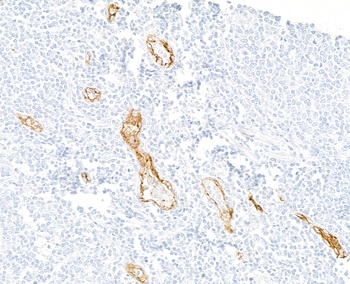 P-Selectin/CD62P antibody P-Selectin/CD62P antibody |
18.03.2026
Protein Ark SpinMate...
Efficiency in protein purification

Tumor Markers
Recombinant Engineered Antibodies
Antibody-Drug Conjug...
ADC Conjugation Kit from ACROBiosystems
Lipid Nanoparticles
Accelerate your Discovery
Single-Domain Antibo...
Superior staining performance with Biotium MiniMab™